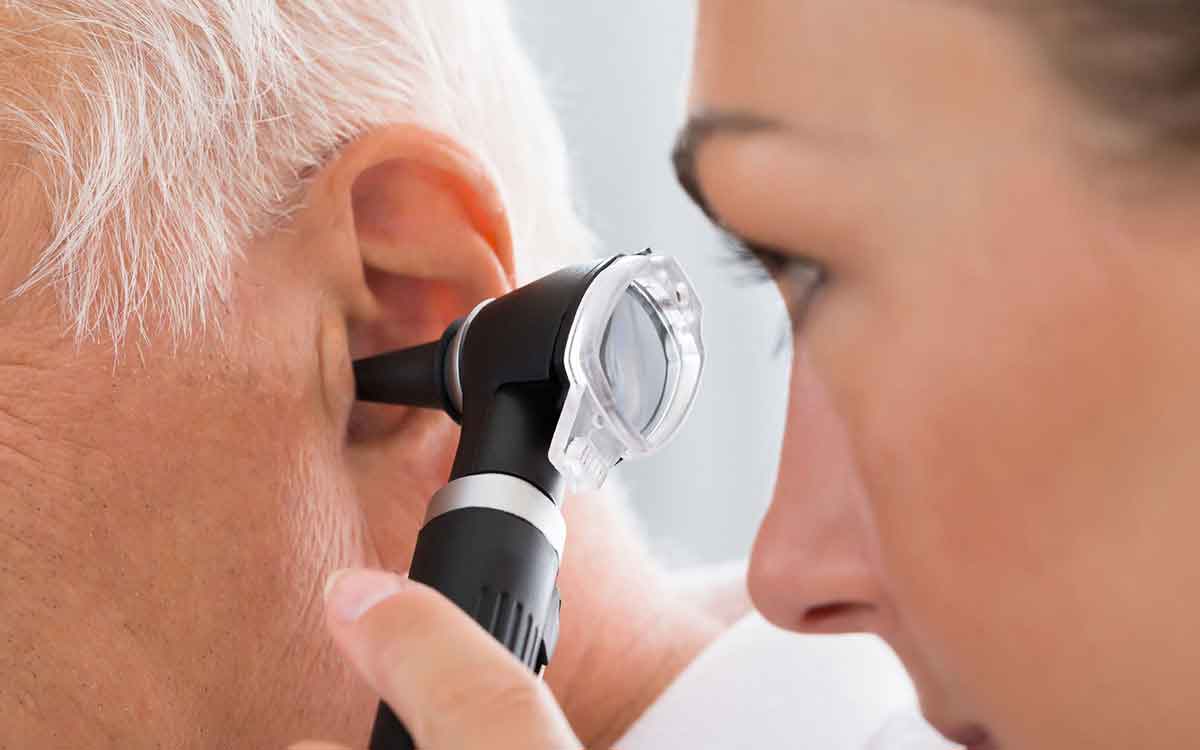
Hearing loss often occurs gradually, making it easy to miss during the preliminary stages. Subconscious adjustments, such as turning up the television or asking for clarification, often mask the early progression of hearing loss.
Prioritizing an initial evaluation can assist in protecting hearing health.
Primary Signs of Developing Hearing Impairment
If you identify any of these early warnings, we suggest scheduling an audiological evaluation to determine your status.
- Difficulty comprehending speech, specifically in noisy environments with significant background noise.
- A regular need of asking for verbal repetitions during conversation.
- Muffled or unclear speech, where words sound blended together.
- Turning up the volume on the TV, phone, or radio higher than others prefer.
- Decreased perception of high-frequency acoustic signals such as bird songs or household alerts.
- The occurrence of tinnitus, manifesting as ringing or buzzing in the ears.
- Feeling mentally exhausted after social interactions, due to increased efforts to hear better.
- Retreating from group interactions as conversational tracking becomes difficult.
Initial auditory warnings could be unilateral or bilateral and might appear inconsistently at first. Due to rapid neural adaptation, many individuals stay oblivious of their compensatory habits until the impairment advances.
Understanding Hearing Impairment Through Data
Data from the World Health Organization suggests that a vast population will face the requirement for clinical hearing support by mid-century. Other noteworthy statistics consist of:
- By 2050, approximately 2.5 billion people are projected to experience some degree of hearing loss.
- More than five percent of the global community (roughly 430 million people) requires rehabilitation to manage significant hearing loss.
- More than 1 billion younger individuals are at risk of avoidable hearing loss due to unsafe listening practices.
- Among those over the age of sixty, over 25% have disabling hearing loss.
The Critical Importance of Early Identification
If left unaddressed, hearing loss can influence various aspects of your health outside of auditory function.
Scientific data associates hearing loss with increased risks of withdrawal, mental health challenges, cognitive decline, and equilibrium problems.
Addressing symptoms at the onset allows for a broader range of interventions and improved clinical results.
A hearing evaluation helps identify if shifts stem from age-related hearing loss, noise exposure, earwax buildup, infection, or underlying pathology.
Certain hearing variations remain temporary and resolve with appropriate medical care.
In addition, employing protective measures or digital hearing aids at the onset can slow the progression of hearing loss.
When to See a Hearing Specialist
It is advisable to get a consultation with a hearing specialist if:
- Early signs last longer than a few weeks.
- Hearing difficulties impact work, relationships, or daily activities.
- Instances of sudden decline, dizziness, or persistent ringing require urgent evaluation.
Hearing evaluations are painless and provide valuable information regarding your auditory wellness.
Contact our hearing clinic today if you believe you would find value in a hearing evaluation.
Common Questions About Early-Stage Hearing Loss
Question: Does hearing loss only occur with aging?
Answer: No. While common in seniors, hearing impairment can be caused by medications, loud noise, infections, or hereditary conditions.
Question: Are there cases where hearing loss is reversible?
Answer: Specific causes, including earwax blockage, may be susceptible to reversal through treatment. While other forms are irreversible, they can usually be managed with professional treatment or hearing technology.
Q: How often should hearing be checked?
A: A baseline screening is advised by age 50, or sooner if clinical symptoms manifest.