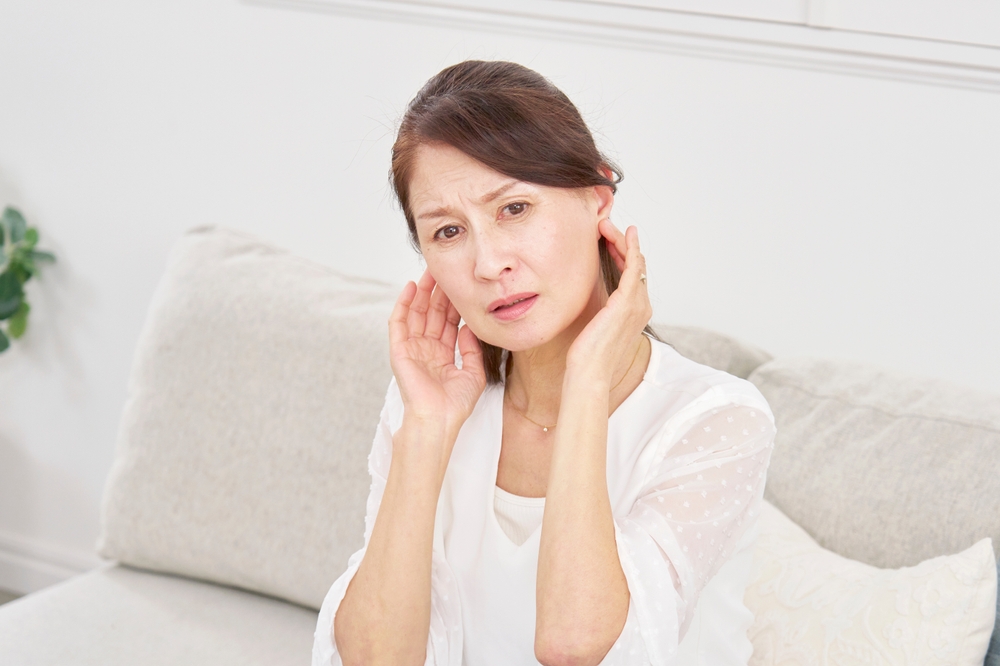
Realizing your hearing sharpness has disappeared overnight is a distressing and disorienting event. The experience of dropping auditory function instantly, especially in the absence of pain, is inherently distressing. Several underlying issues may be minor, yet most forms of sudden loss require an emergency response.
Understanding the primary causes of sudden hearing loss and knowing when to act can be vital in the outcome. Below, we’re looking at sudden hearing loss, possible causes, and how to access professional care.
Defining the Parameters of Sudden Hearing Loss
This condition involves a quick loss of hearing ability occurring nearly immediately or over a 72-hour period. The issue frequently impacts a single ear, though bilateral loss is possible in rarer cases. Some people notice muffled sound, while others experience a ringing sensation known as tinnitus, fullness in the ear, or difficulty understanding speech.
Sudden Sensorineural Hearing Loss (SSHL)
Sudden sensorineural hearing loss is a critical causes to evaluate.
The condition is caused by physiological issues affecting the cochlea, hearing nerve, or neural pathways. The source is often idiopathic, though medical professionals point to several likely contributing elements:
- Vascular limitations affecting auditory nerve function
- Increased inflammation within the auditory pathways
- Underlying viral triggers affecting the ear
- Central nervous system irregularities
Because the window for effective treatment is so narrow, SSHL is handled as an urgent crisis where early care dictates the outcome.
Viral Infections
Specific viral infections can temporarily or permanently affect hearing by swelling the inner ear or auditory nerve.
Common viral triggers tied to abrupt hearing impairment are:
- Common upper respiratory viruses
- Various strains of influenza
- Viral strains within the herpes group
- Secondary hearing effects after a COVID-19 infection
Hearing changes may appear during or shortly after an illness and can be accompanied by vertigo or pressure.
Hearing Loss Resulting from Physical Injury
A strike to the cranium, sudden pressure changes, or loud noise exposure can injure delicate structures inside the ear.
The following scenarios are frequent catalysts for injury-based hearing impairment:
- Head injuries or concussions
- Rapid pressure changes such as barotrauma
- Exposure to extremely loud sounds
- Physical displacement of inner ear fluids
Minor impacts can still compromise auditory function, particularly if shifts manifest shortly after the event.
Sudden Loss Due to Ear Canal Obstruction
While less serious than inner ear causes, impacted earwax can still cause sudden hearing changes.
Blockage-induced hearing impairment often:
- Occur almost instantaneously
- Present as a persistent internal pressure
- Be more pronounced on the left or right
- Subside once the canal is properly cleared
It is essential to remember that home evaluation is insufficient for determining the true source of sudden deafness. This diagnostic ambiguity is why immediate expert care is so important.
Other Possible Causes of Sudden Hearing Loss
Secondary factors to sudden hearing loss may include:
- Medication side effects
- Vascular irregularities in the auditory pathway
- Abnormal immune responses targeting the auditory system
- Acoustic neuromas or related rare tumors
A comprehensive hearing evaluation helps rule out these possibilities.
The Time-Sensitive Nature of Treating Hearing Loss
The most vital takeaway regarding rapid hearing changes is to avoid a delay approach.
Immediate diagnostic testing serves to:
- Uncover reversible causes
- Increase the likelihood that treatment will restore hearing
- Stop additional decline within the fragile inner ear
- Decrease the likelihood of facing permanent communication issues
Comprehensive audiology diagnostics provide the essential data needed to manage the condition effectively.
Identifying Red Flags for Urgent Hearing Care
It is critical to consult a professional instantly if you notice the following:
- Unexpected deafness occurring in one or both ears
- A loss of hearing accompanied by dizziness or lack of coordination
- A sudden sensation of ringing or intense aural pressure
- Hearing loss after illness or injury
Even if symptoms subside, you still require a formal assessment to identify the root cause.
How Hearing Tests Provide Immediate Solutions
Hearing tests can quickly clarify whether hearing loss is:
- Conductive in nature, often caused by mechanical obstructions
- Sensorineural (inner ear or nerve-related)
- A transient condition or a lasting auditory change
The sooner testing occurs, the more likely you are to achieve a positive clinical outcome.
Take Sudden Hearing Changes Seriously
Sudden hearing loss is bound to feel alarming, but the sooner you seek care, the more options you may have to address it.
Securing an expert assessment following a sudden auditory shift is the best way to safeguard your long-term wellness. Our dedicated staff is ready to assist you: Please contact our clinic immediately for an emergency assessment.